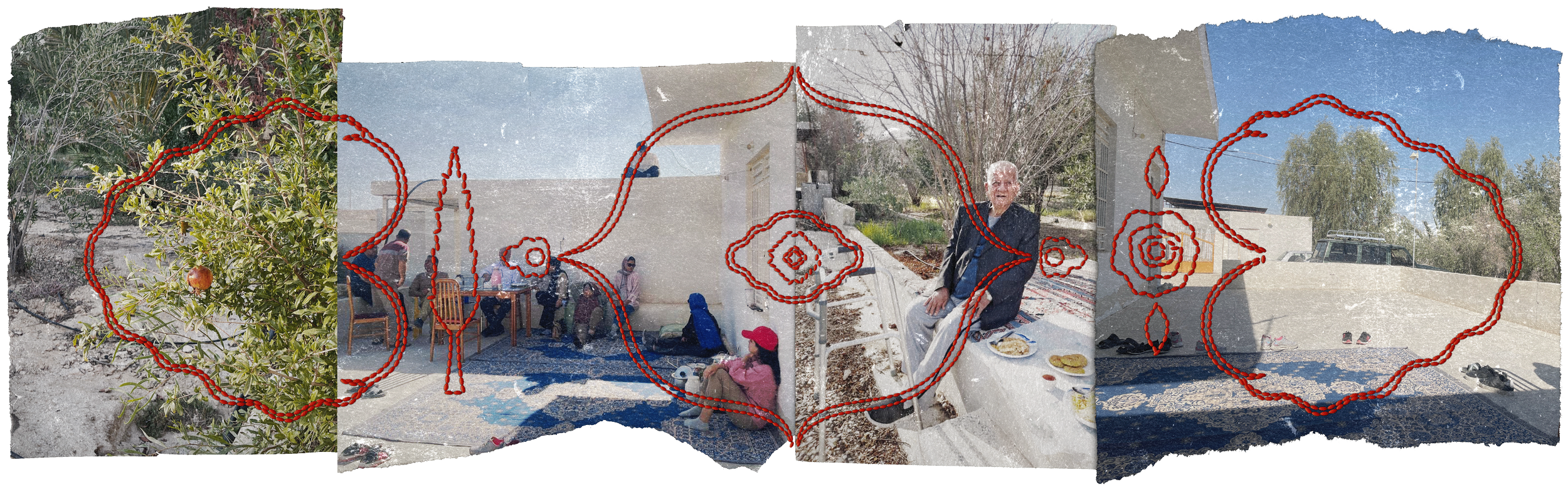

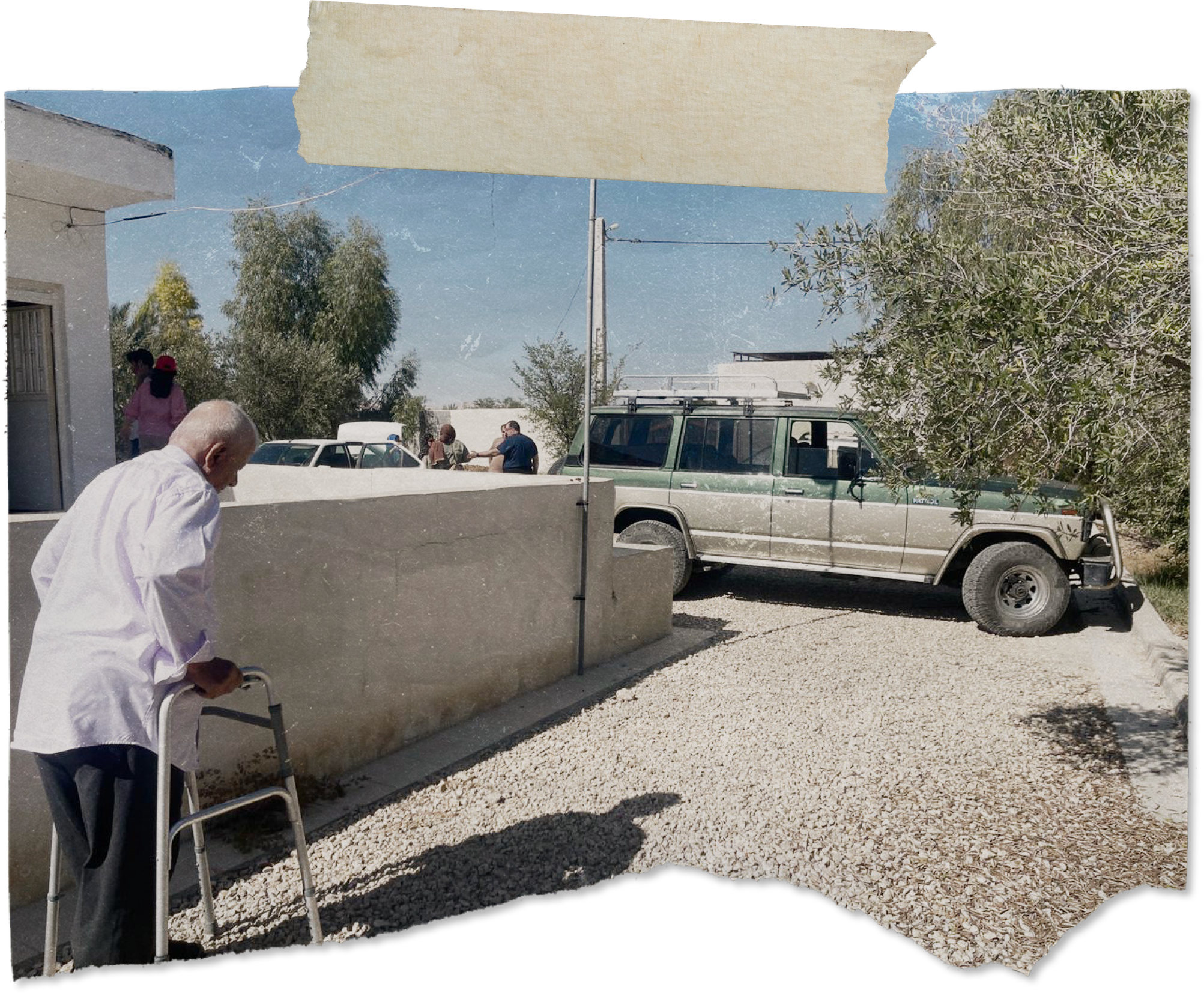
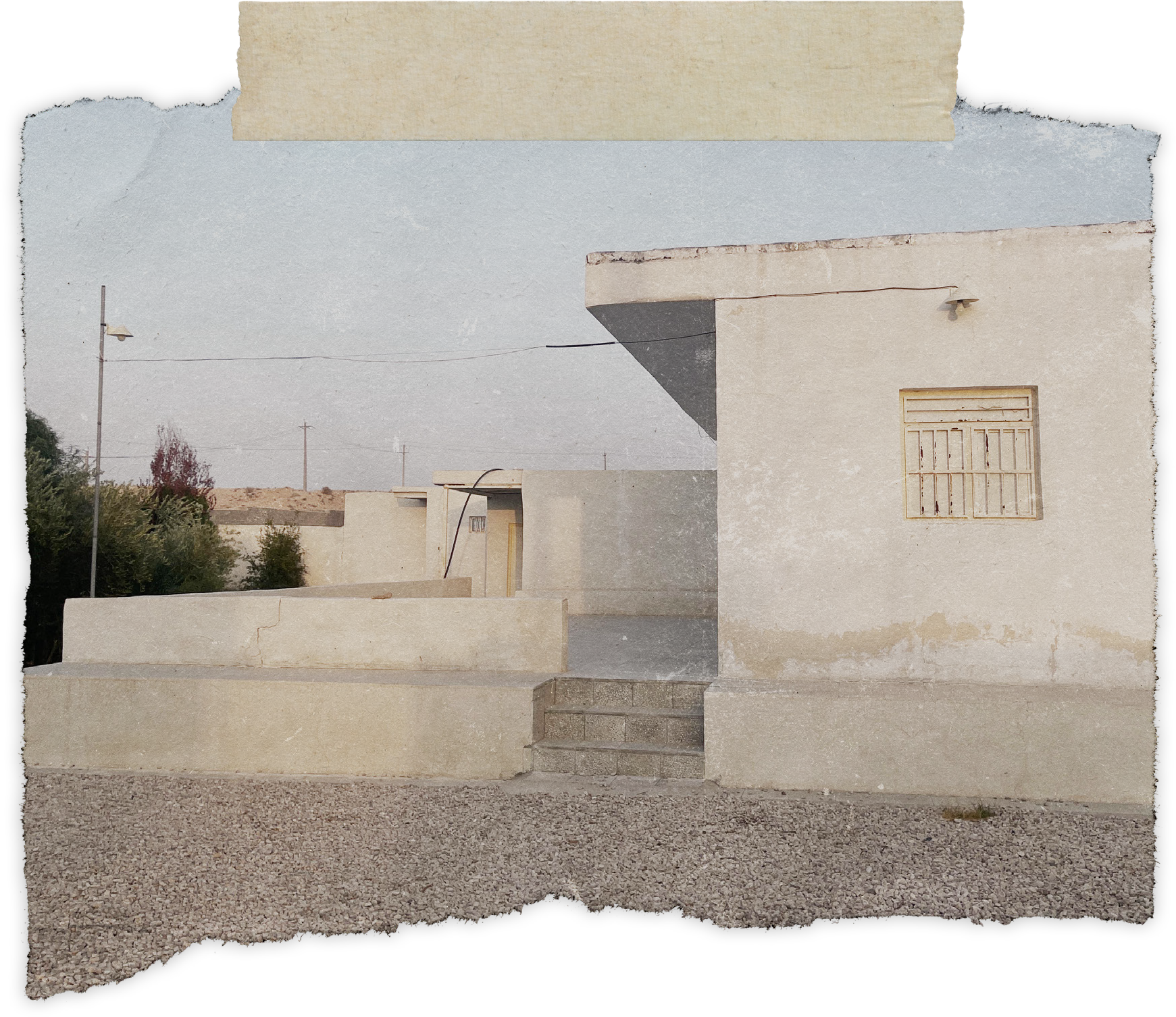
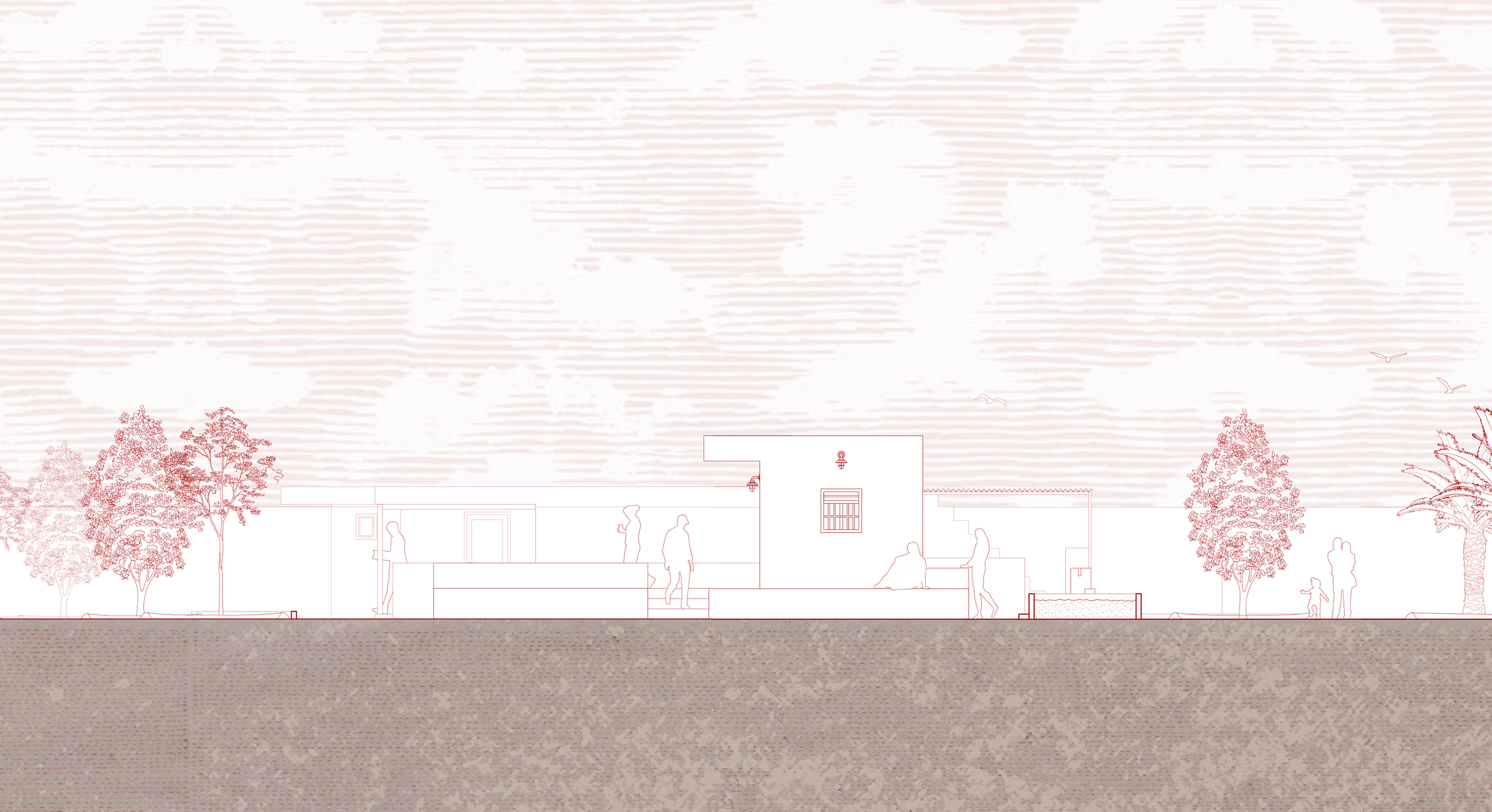
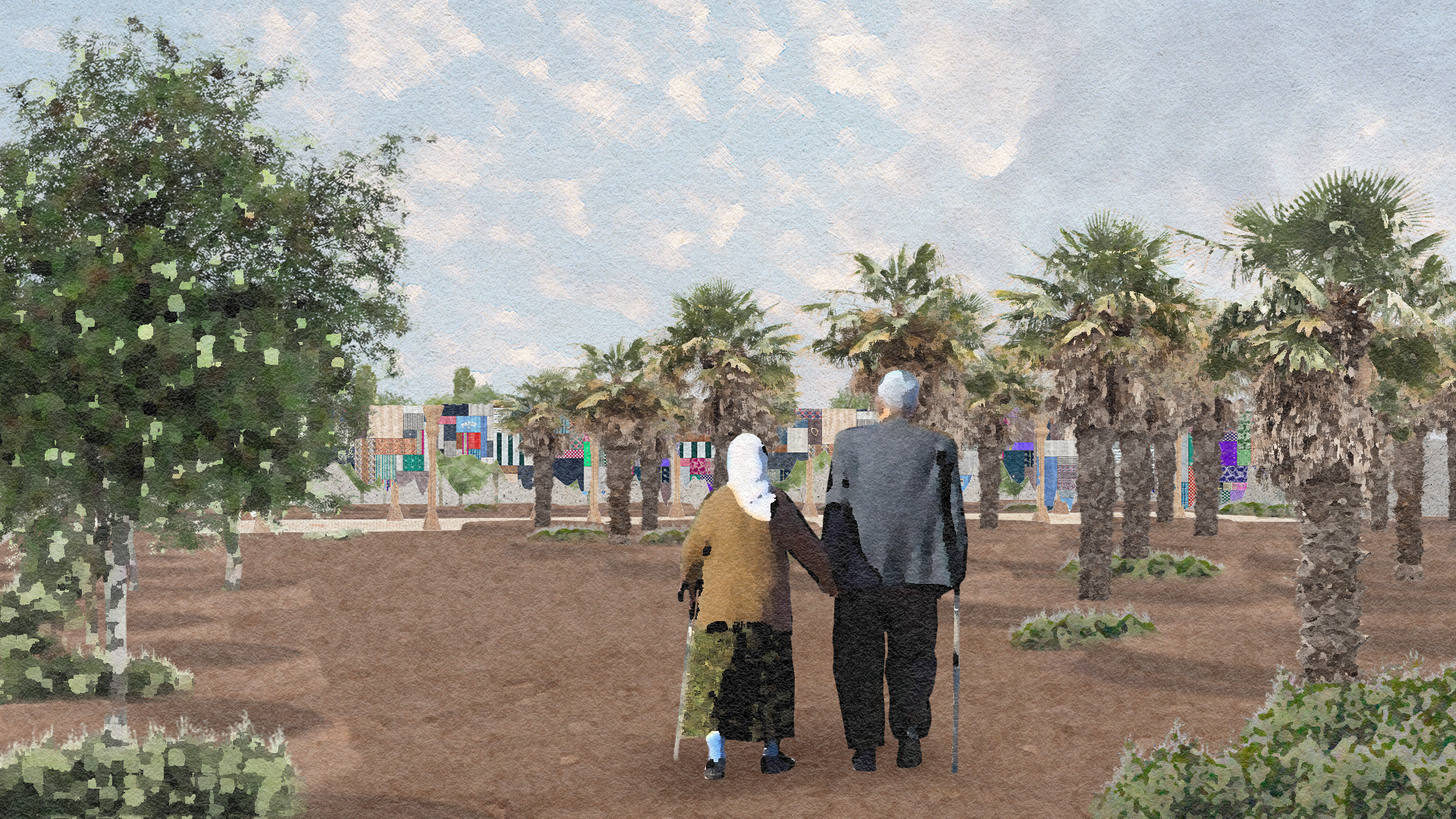
This project begins with my grandfather’s garden in my hometown, using it as a site through which to consider ageing, migration, and the slow withdrawal of everyday maintenance. Read through its traces of work and remembrance, the garden becomes a framework for thinking about how acts of care might be carried forward into present-day spatial practice.
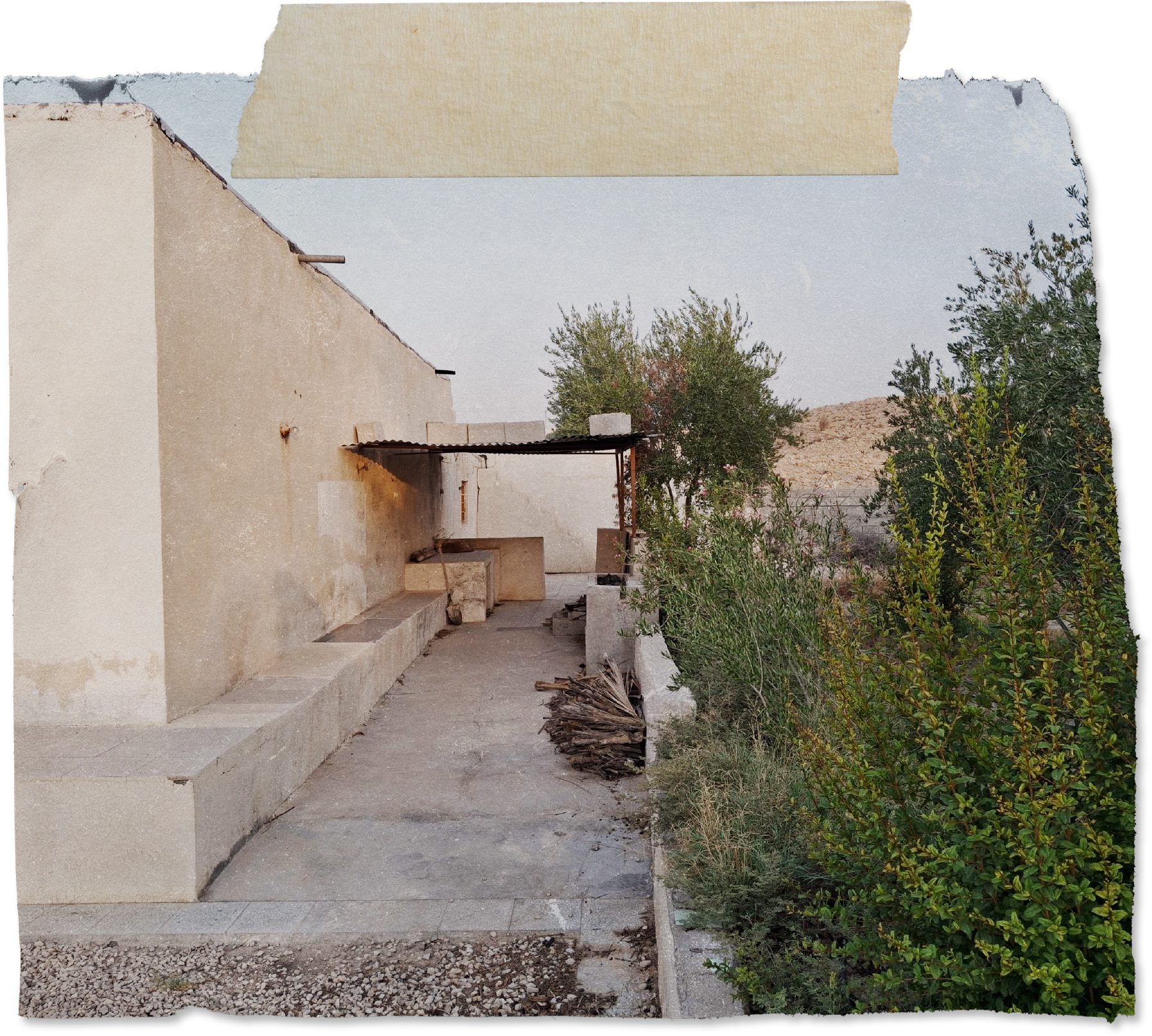
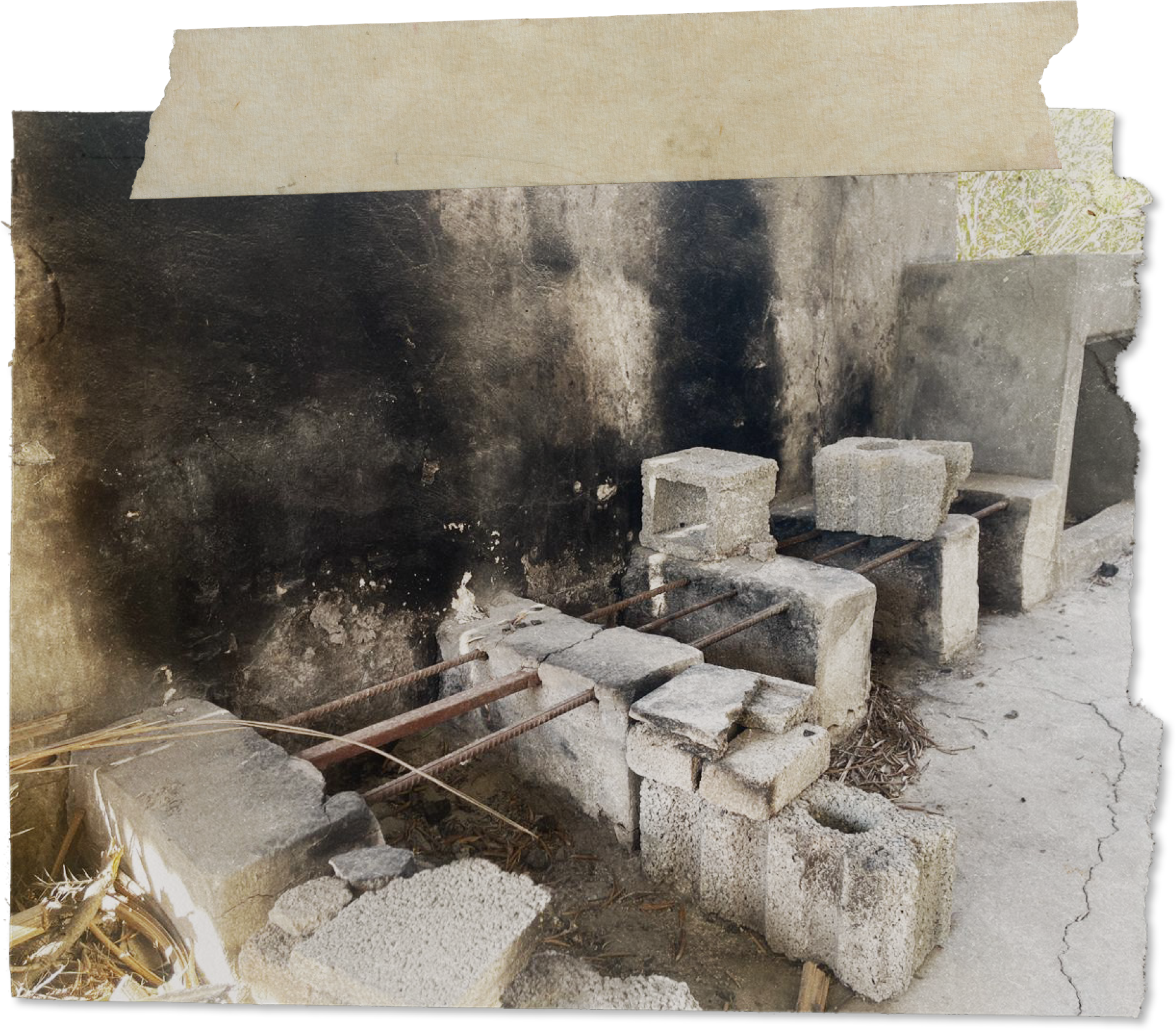
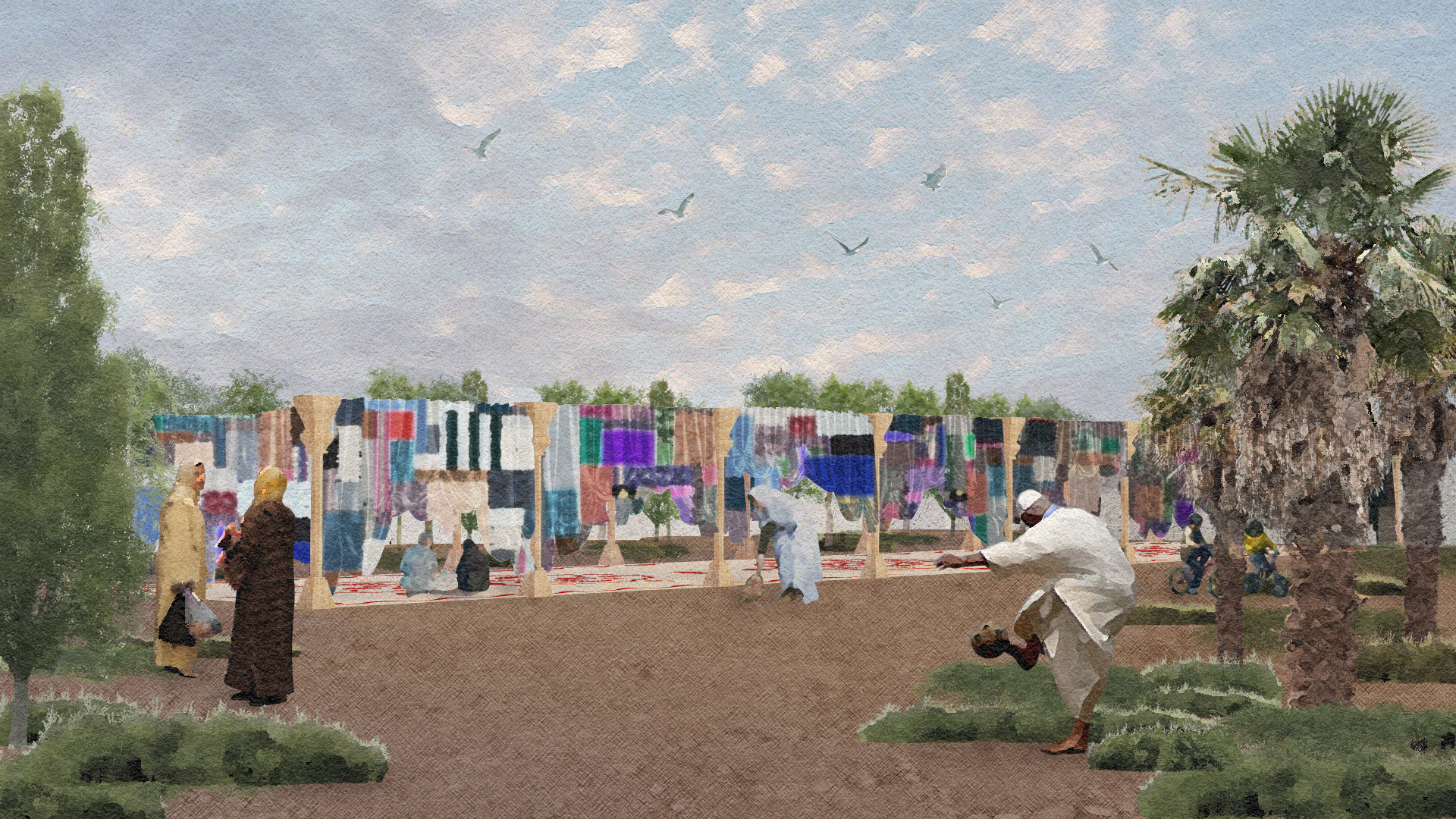
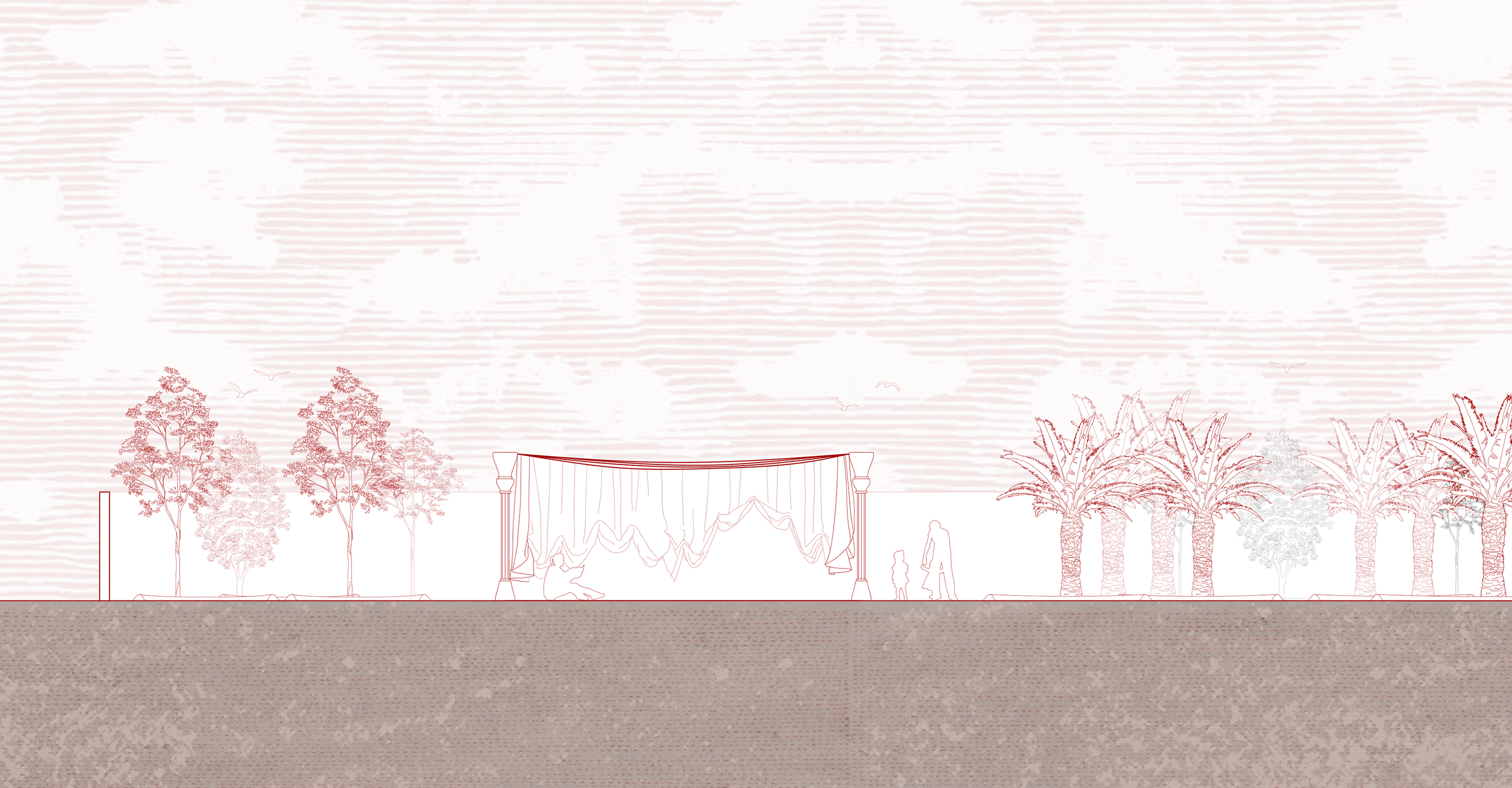
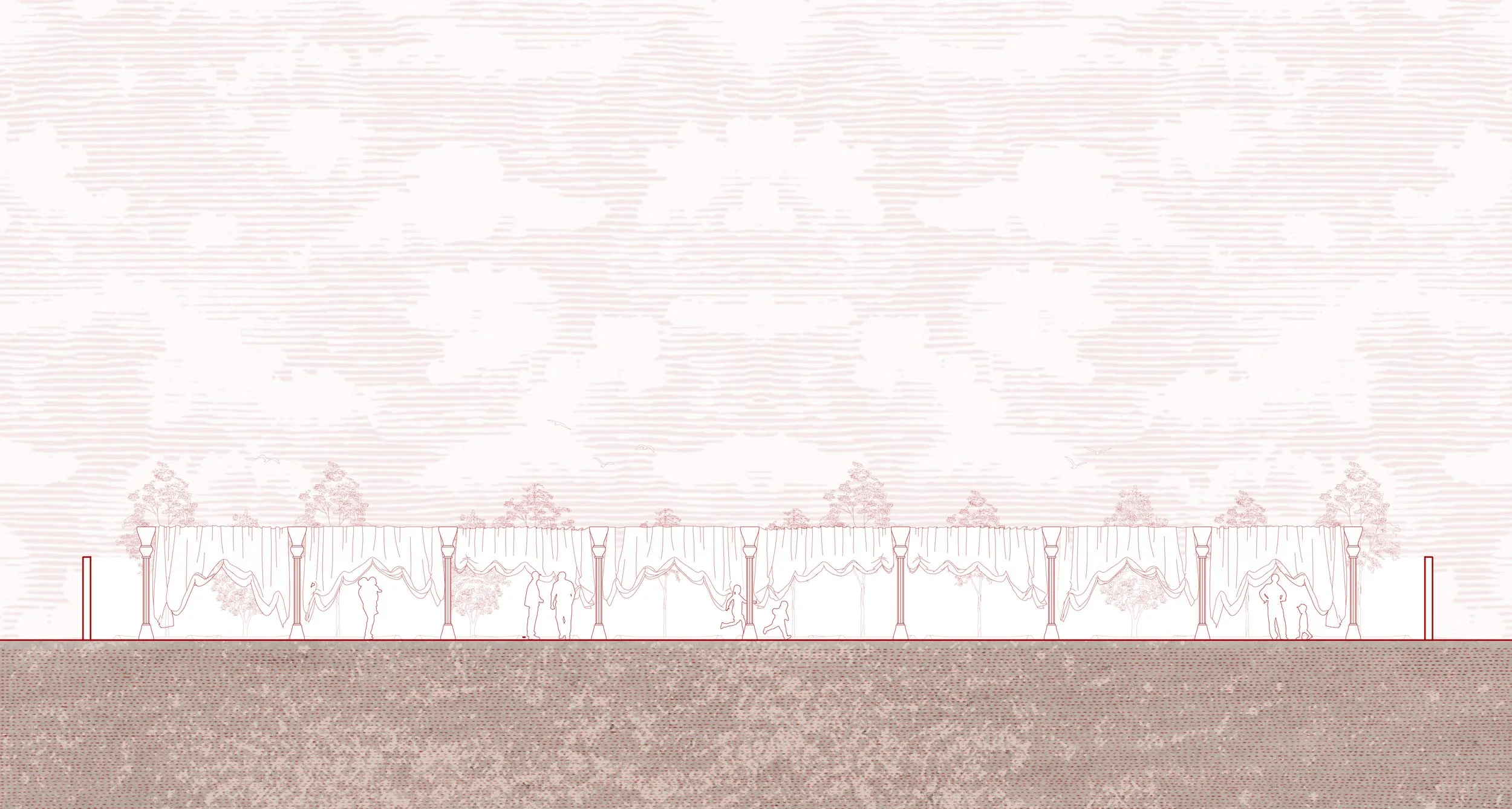
Designed to restore gathering within my grandfather’s garden, the installation unfolds through layered elements of carpet, pillars, canopy, and people, transforming memory and care into lived space.
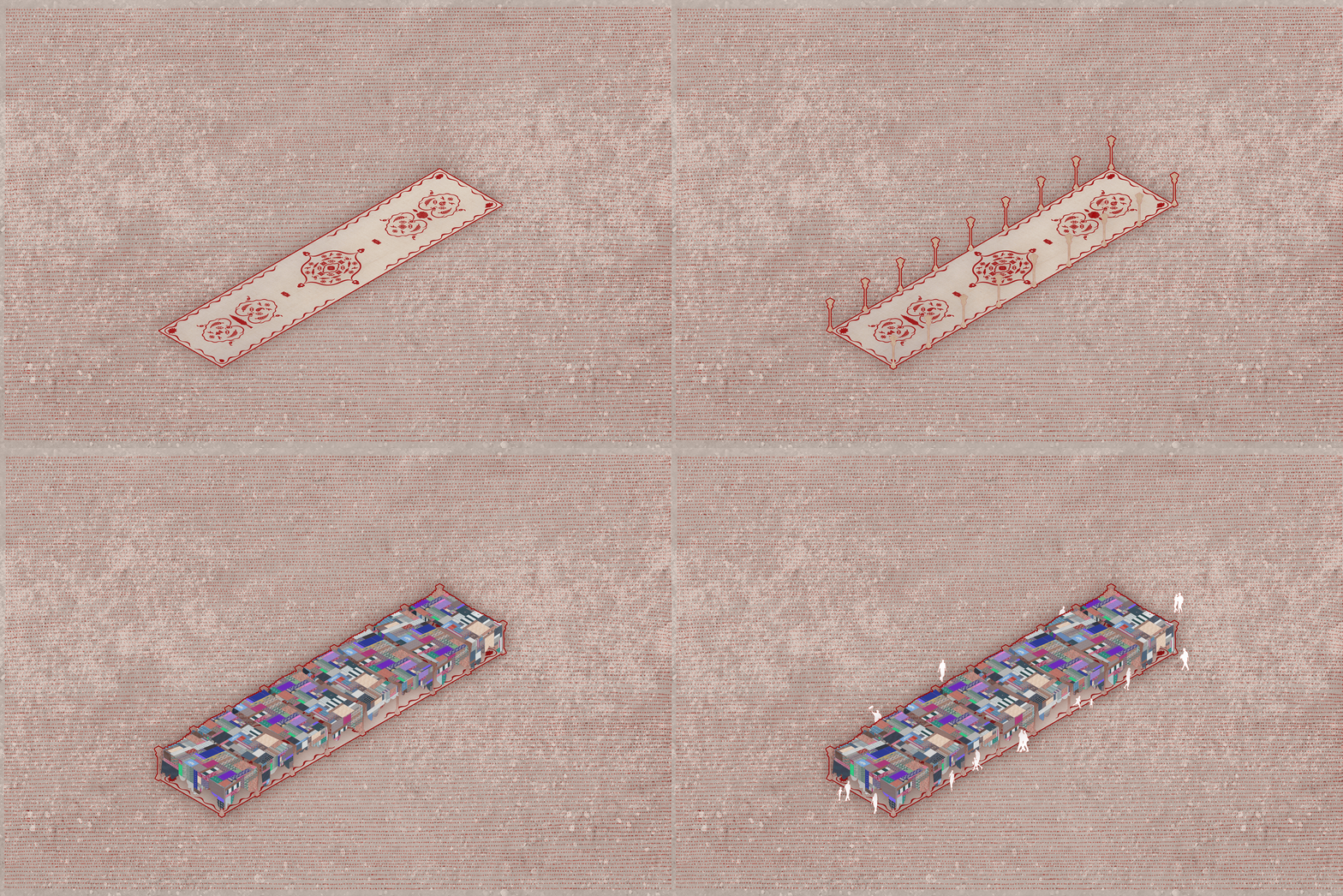
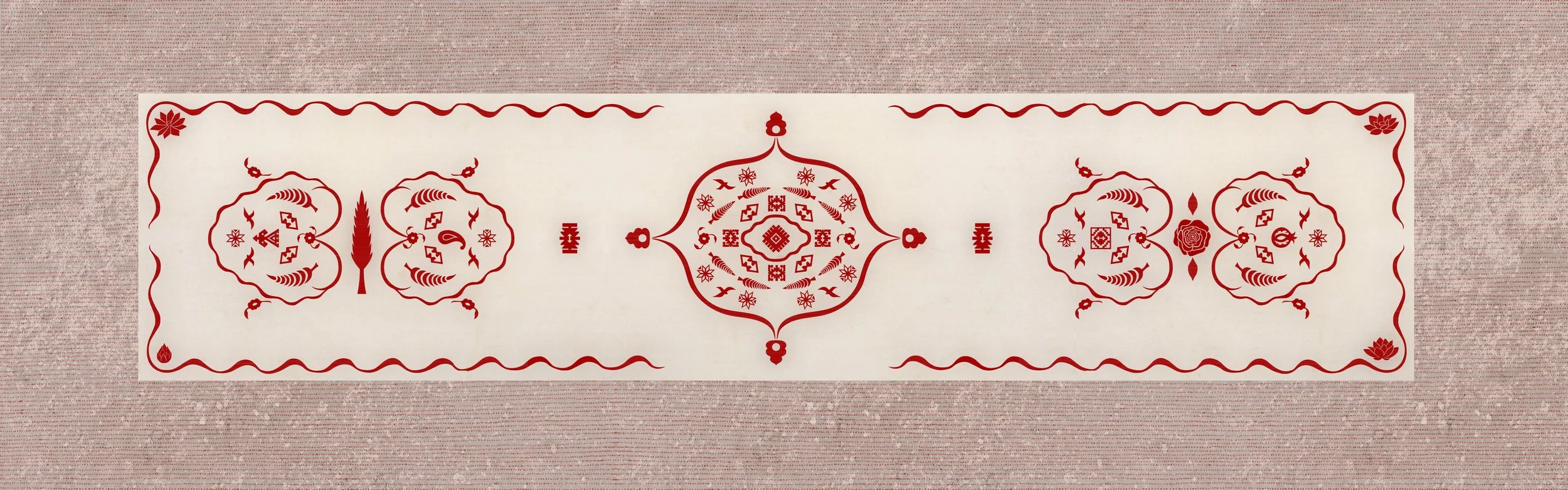
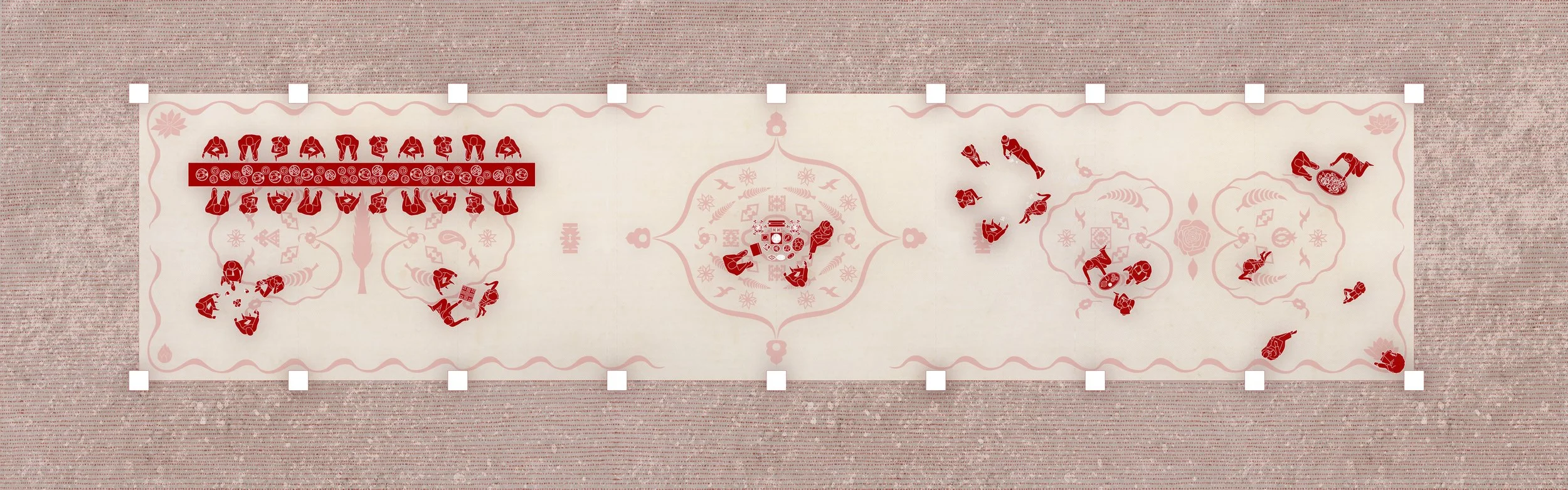
The installation begins with a carpet that reworks the symbolic language of traditional Persian carpets, using garden imagery to trace the passage of life from birth to death.
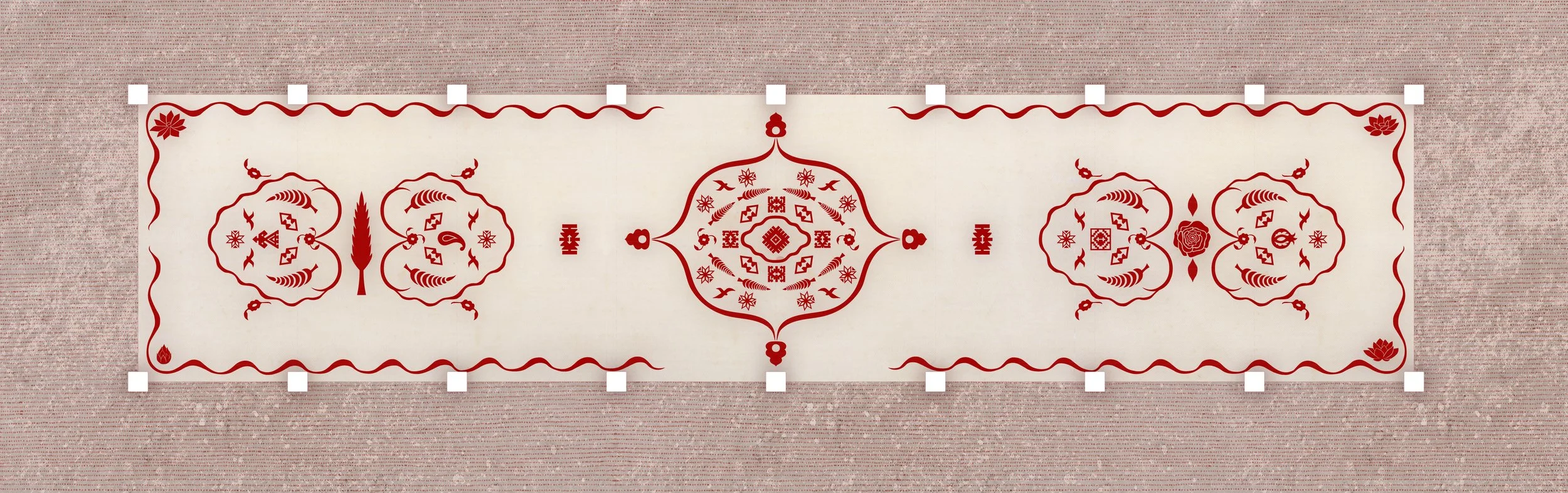
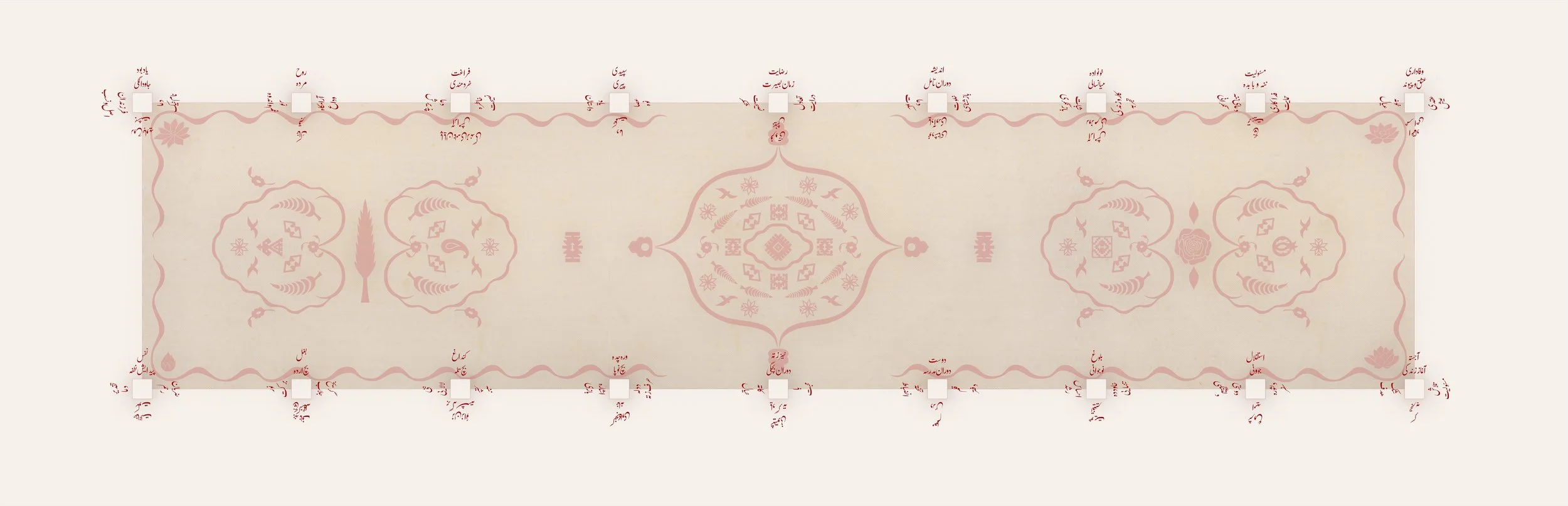
The pillars establish the structure of the installation, each inscribed with eight Evazi words that mark the passage of life from birth to the afterlife, thereby preserving a largely oral dialect through written carvings.
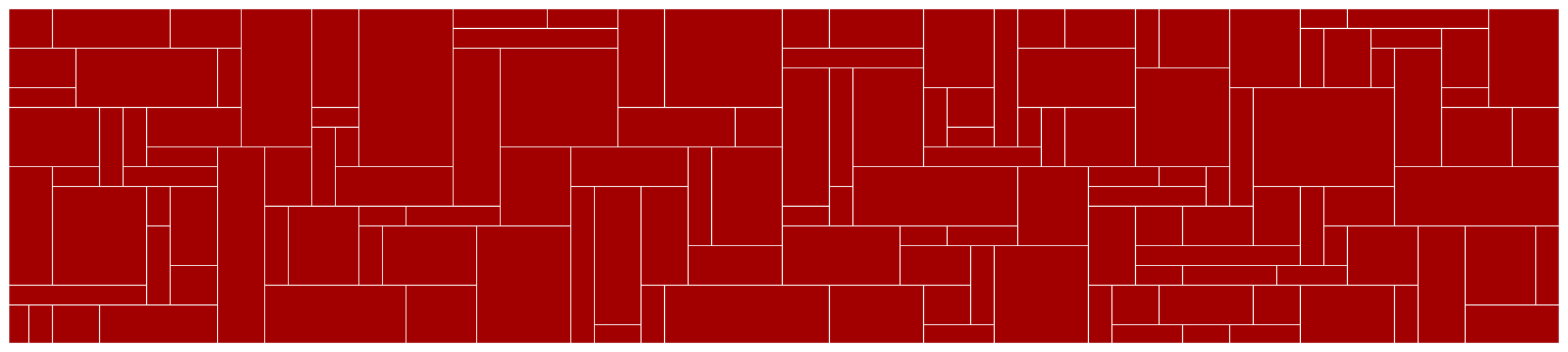
The canopy draws on the geometry of the Persian carpet and the rectilinear order of the chahar bagh, translating the spatial logic of the Persian garden into fabric.
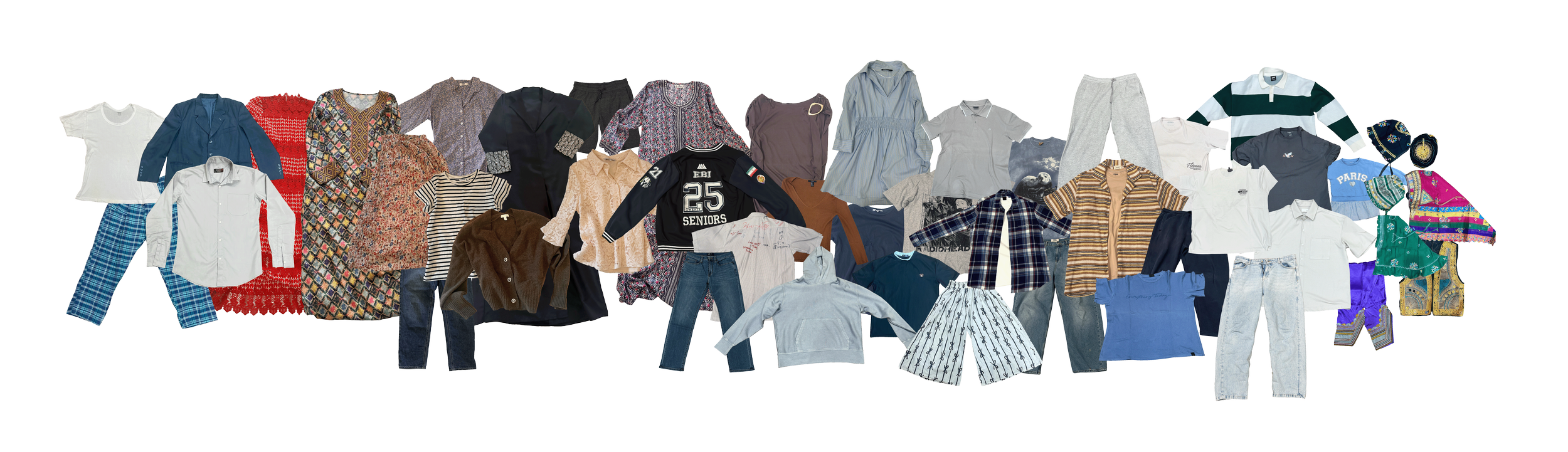
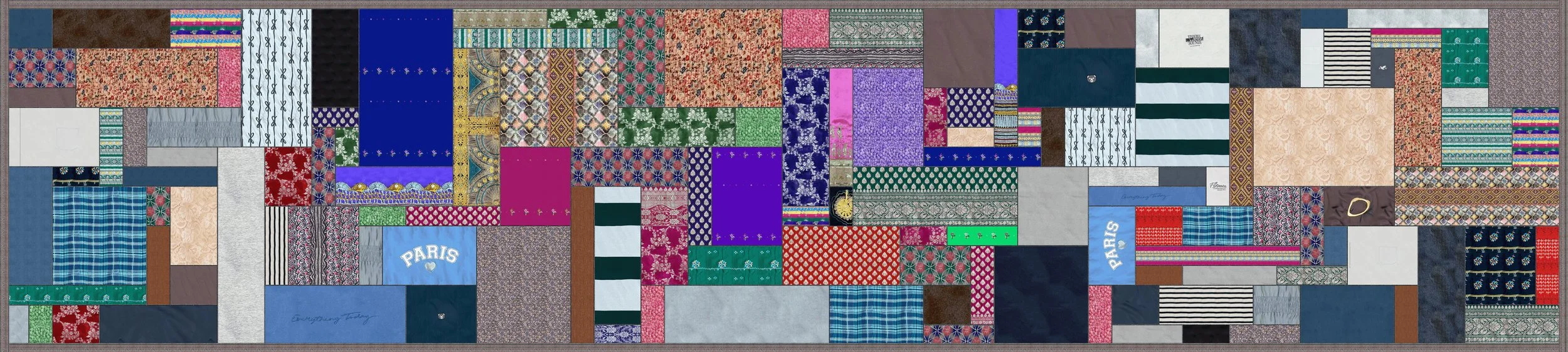
A central line runs through the canopy, using donated garments to trace the passage of life from birth to death as the fabric shifts and changes over time.

Community garments are repurposed into the canopy, allowing it to grow over time as a living archive shaped by shared memory and care.
Each panel is stitched from fabric scraps using khoos embroidery, a female-led craft from Evaz carried into the installation.
The installation supports everyday gathering, from shared meals to seasonal rituals, returning the garden to communal use.
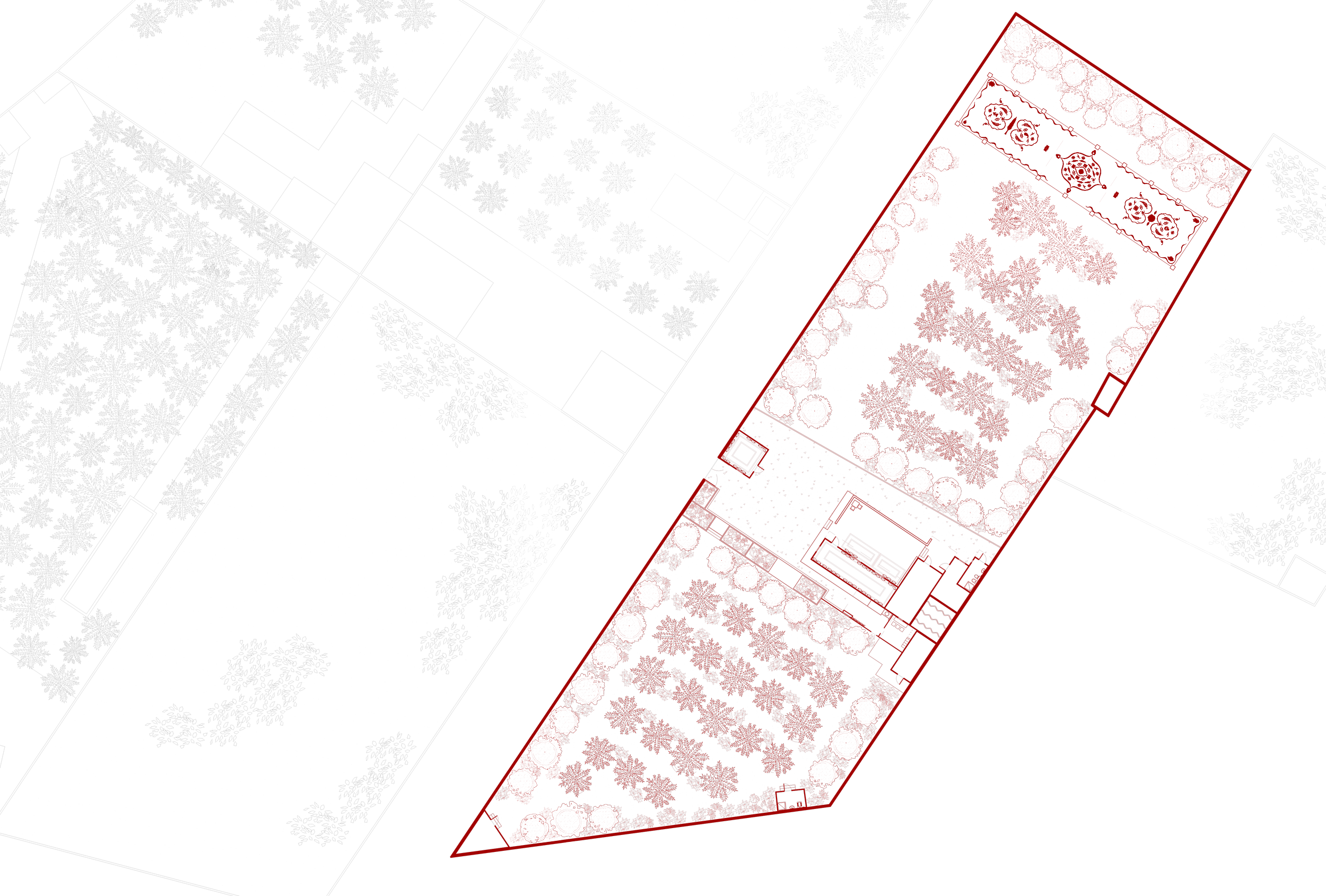

Before the first step inside.
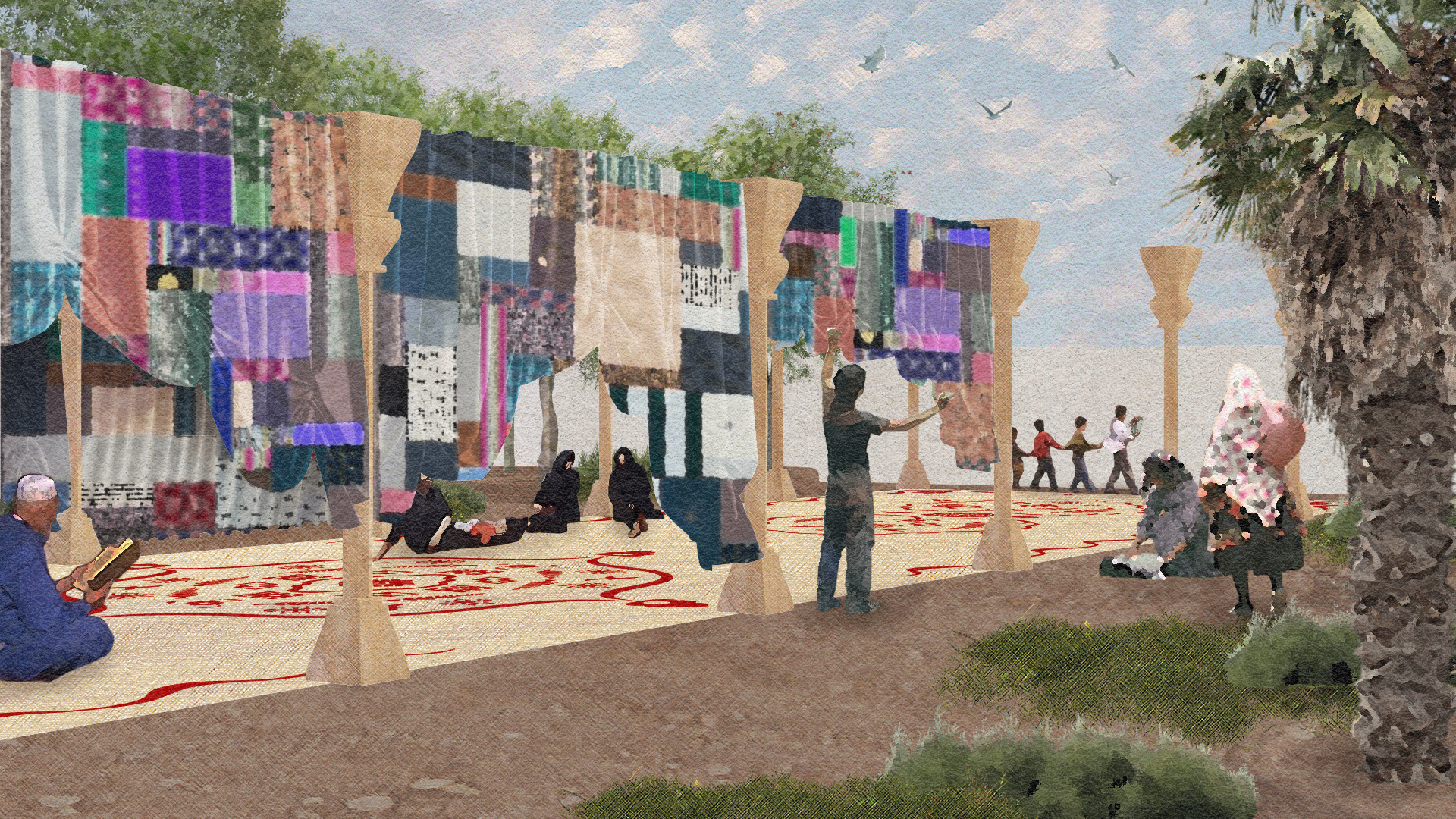
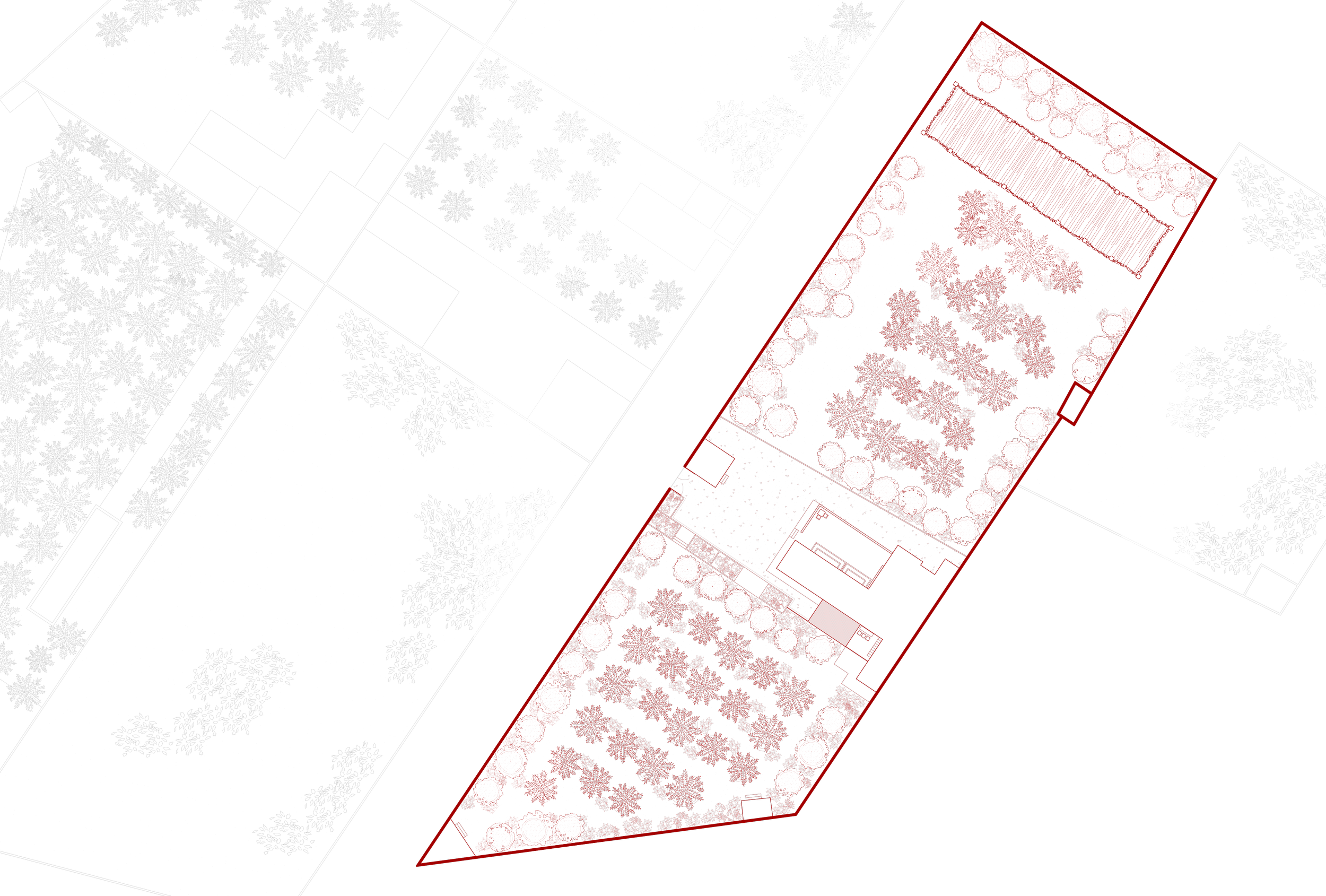
In the act of becoming.
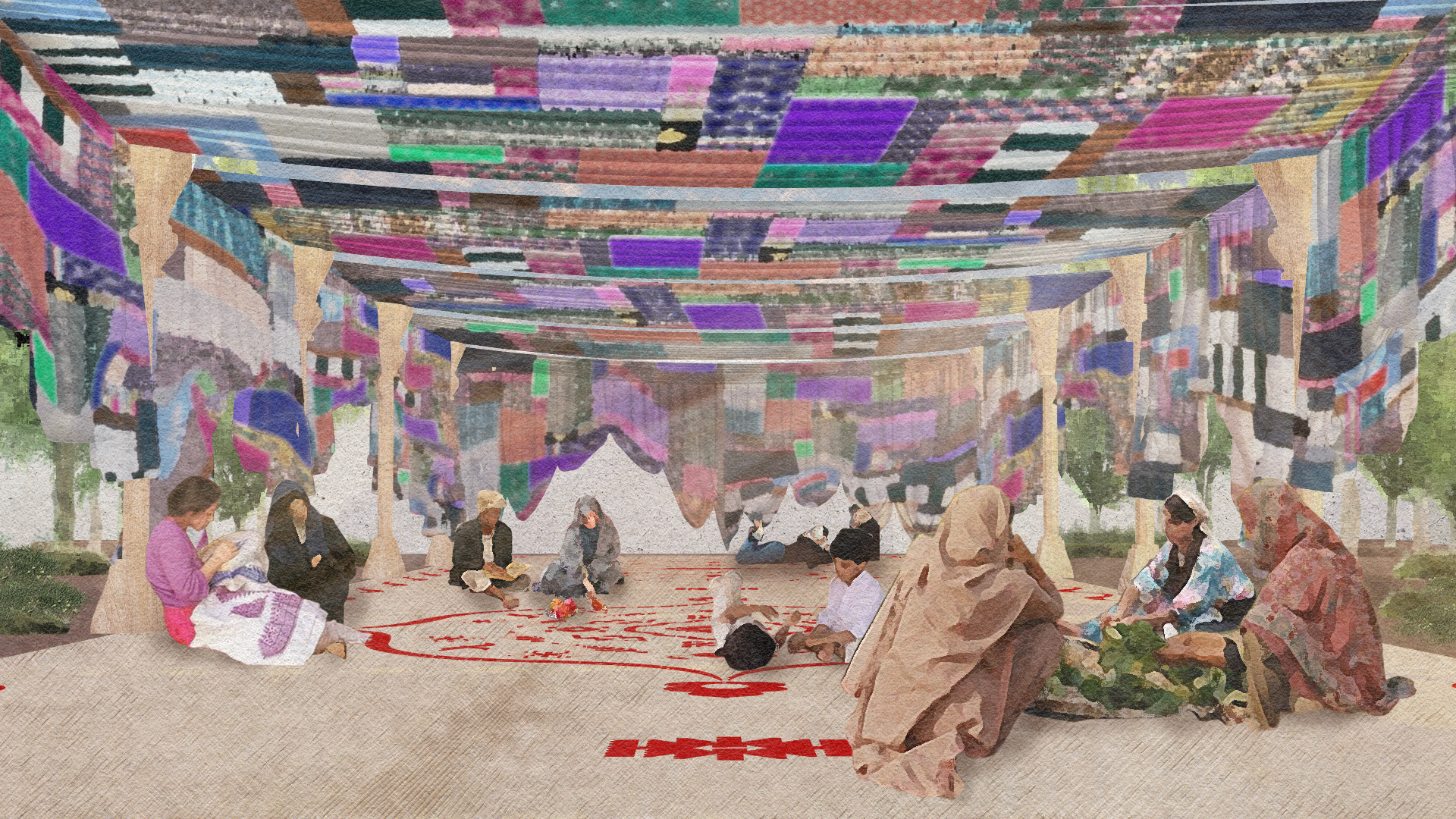
Beneath the cloth, between conversations.